
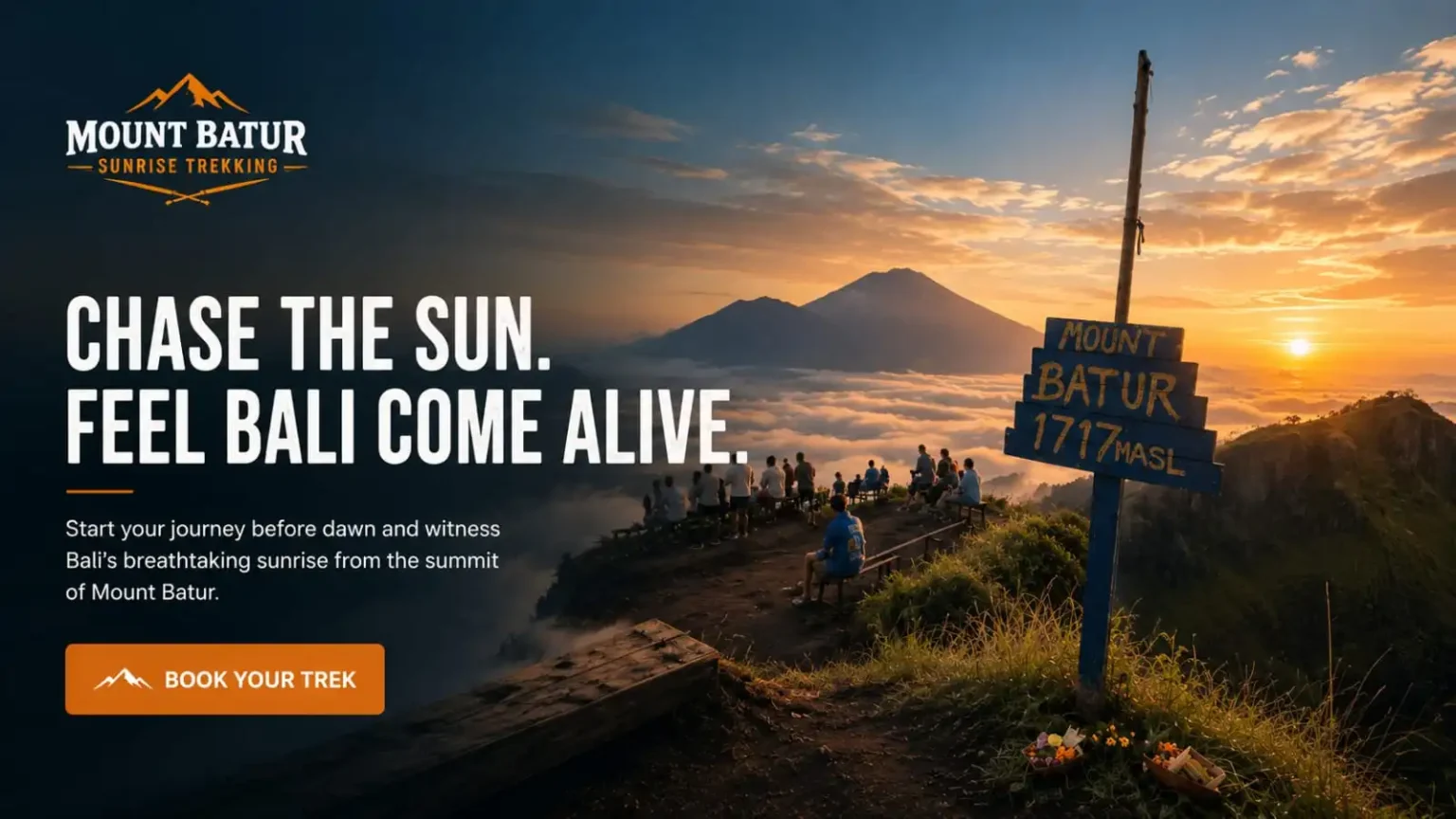
Bali is an island universally celebrated for its spiritual culture, terraced rice paddies, and world-class mount batur trekking surf breaks. However, beyond the coastal resorts and cultural heartlands lies a dramatic volcanic landscape that calls out to outdoor enthusiasts and adventure seekers. Among the island’s most iconic excursions, mount batur trekking stands head and shoulders above the rest as an absolute must-do experience. Rising 1,717 meters above sea level in the Kintamani highlands, this active volcano offers travelers a chance to witness one of the most breathtaking sunrises in all of Southeast Asia.
Whether you are an avid hiker looking to conquer a new peak or a casual traveler eager to try something extraordinary, embarking on a sunrise expedition here combines physical challenge, geological wonder, and unmatched aesthetic beauty. Step away from the beaches, leave the comfort of your hotel room in the middle of the night, and prepare to embark on an unforgettable journey into the heart of Bali’s volcanic terrain.
Understanding the Trail and Difficulty Level
For many visitors planning their trip, the biggest question regarding mount batur trekking centers around how difficult the hike actually is. Generally categorized as a moderate trail, the ascent does not demand technical climbing skills, ropes, or specialized mountaineering gear. However, it does require a steady cardiovascular effort and a willingness to tackle a continuous incline in the dark.
- The Pre-Dawn Start: Most hikes begin around 4:00 AM after a pre-dawn drive from popular tourist centers like Ubud, Sanur, or Seminyak.
- The Climb: The initial phase of the climb takes you through shaded forest trails and earthy paths before transitioning into steeper, unpaved volcanic gravel and sandy slopes. The total elevation gain is roughly 400 meters, which most people conquer within 90 minutes to two hours depending on individual fitness levels and pacing.
- The Terrain: Nearer to the summit, the ground can become loose and slippery due to volcanic ash, loose stones, and older lava formations. Having reliable footing is crucial here to prevent slipping on the steeper inclines.
- The Descent: Coming down is significantly quicker—usually taking about an hour to an hour and a half—though you must still exercise caution on the loose gravel paths as daylight fully illuminates the landscape.
What to Expect at the Summit
Reaching the summit before daybreak brings an incredible sense of accomplishment. As you catch your breath on the crater rim, the surrounding landscape slowly emerges from the darkness in a magnificent display of color. To the east, the sun breaks over the towering silhouette of Mount Agung—Bali’s highest mountain—while Lake Batur gleams peacefully far below in the massive caldera. On exceptionally clear mornings, sharp-eyed hikers can even spot the distant peak of Mount Rinjani across the sea on the neighboring island of Lombok.
To make the experience even more special, your local guide will often prepare a simple breakfast right at the top. This typically includes hot coffee or tea, banana sandwiches, and eggs cooked using natural steam escaping from the active volcanic vents. Exploring the warm steam fissures and ancient lava fields provides a fascinating, hands-on reminder that you are standing on top of a living geological wonder.
Essential Tips for a Safe and Successful Expedition
To ensure your journey runs smoothly and comfortably, a bit of forward planning is essential:
- Hire a Certified Local Guide: Community regulations require visitors to use licensed local guides for safety and regional support. Your guide will expertly navigate the dark, winding trails and offer a steady hand over tricky, loose terrain.
- Dress in Layers: While you will quickly heat up from physical exertion during the climb, the summit is notoriously windy and freezing cold before the sun rises. Pack a warm jacket, windbreaker, and long trousers that you can easily shed later.
- Bring the Right Gear: Pack a small backpack containing a refillable water bottle, light snacks or energy bars, a flashlight or headlamp (if not provided by your tour operator), and a camera or smartphone to capture the memories.
- Choose the Best Time to Go: While mount batur trekking is popular and accessible year-round, the dry season spanning from April to October generally offers the clearest skies, safest trail conditions, and most reliable sunrise views.
By preparing adequately, respecting the local environment, and embracing the physical challenge, your journey up Mount Batur will undoubtedly serve as one of the most rewarding and memorable highlights of your entire Balinese holiday.